The Three Threats Actually Hurting Small Businesses
The attacks that hurt our clients’ businesses aren’t the ones that make headlines. They’re ordinary. Someone gets into an email account, or comes in through an old VPN, or uses a password that was leaked somewhere else years ago. Here are the three we see most, and what actually stops them.
1. Microsoft 365 account takeover
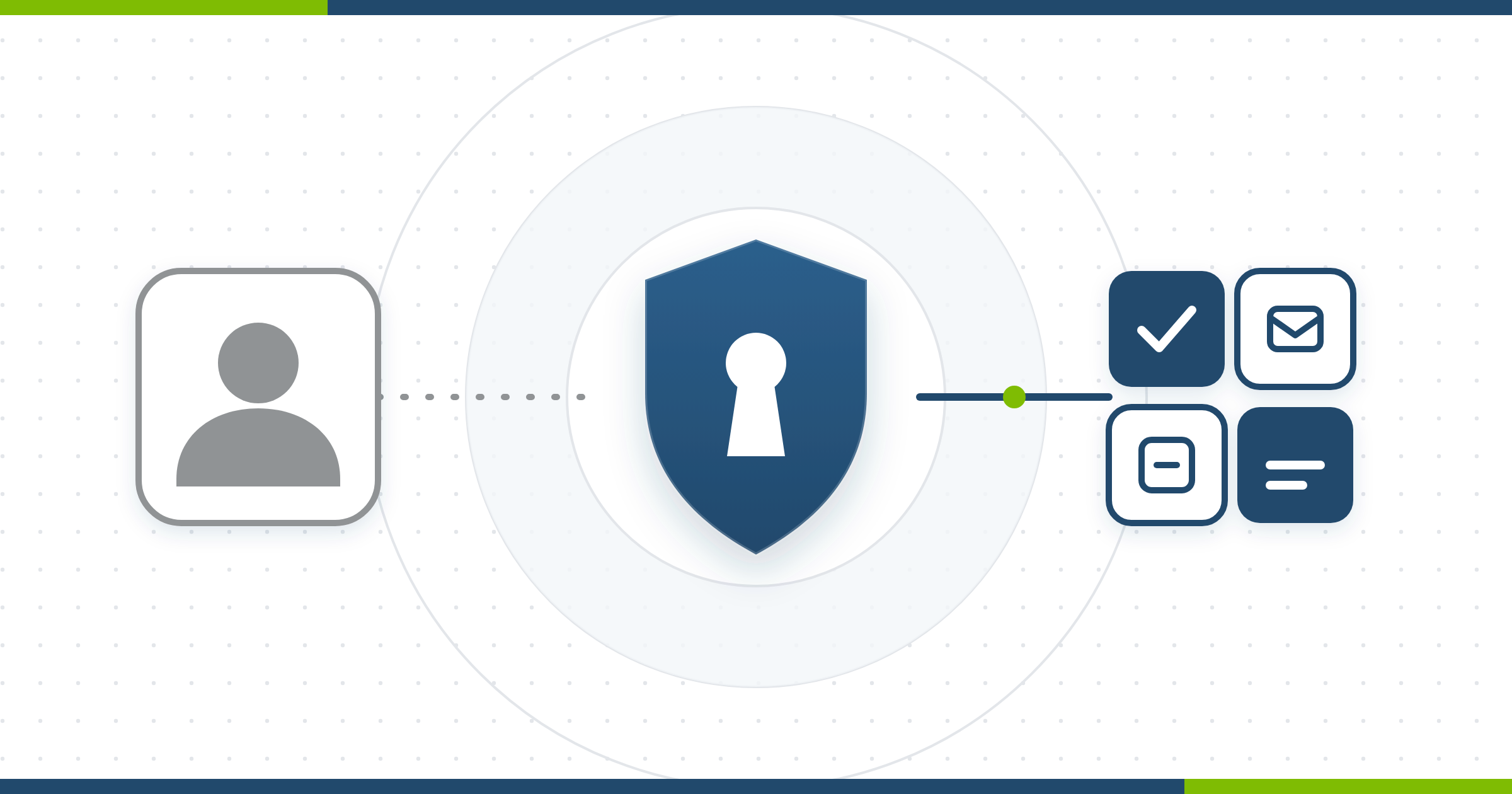
Email is where the money moves, so that’s where attackers go. The usual pattern is a convincing phishing page that captures both the password and the MFA session, so the attacker logs in as the user without tripping anything obvious. Then they sit quietly, read mail, and wait for an invoice to redirect or a wire to change.
What stops it:
- Phishing-resistant MFA where you can, and number matching everywhere else
- Conditional access that blocks sign-ins from unmanaged devices or unexpected countries
- Identity threat detection that flags a suspicious session and kills it, even after MFA
- A rule in your office: any change to payment instructions gets confirmed by phone, using a number you already have
2. Old remote access
SSL VPN appliances are a favorite target. When a vulnerability gets published, attackers scan the whole internet for unpatched devices within days. A VPN that was set up years ago and never touched again is an open door, and it’s often how ransomware gets in.
What stops it: patch the firewall promptly, require MFA on remote access, review who actually has it, and consider replacing a legacy VPN entirely. I wrote up how we’re moving clients to WireGuard.
3. Reused and weak passwords
Billions of usernames and passwords are already floating around from other companies’ breaches. If someone on your team uses the same password for their work account and a shopping site, an attacker can just try it.
What stops it: a password manager for everyone, unique passwords everywhere, MFA on anything that supports it, and monitoring for leaked credentials tied to your domain. More on that in password hygiene for small businesses.
The one that’s growing: your vendors
More and more incidents start at a partner with weaker security, a sub, a bookkeeper, a supplier with access to your systems or your payments. If you’re a contractor, here’s how to start asking your subs the right questions.
What ties these together
None of these attacks are sophisticated. They work because something basic was skipped or set up once and never revisited. The fix is mostly discipline: someone checking the settings, the patches, and the accounts on a schedule. That’s the core of what we do in managed cybersecurity.
About The Author