E-Waste Recycling 2026: By the Numbers
Open Tier recycled 1,559 lbs of electronics in 2026 across four drop-offs at 611 Metals in Willow Grove. Today’s run (October 29) is likely the last of the year, so these figures should be close to final.
What we recycled
PC towers accounted for 730 lbs, or 47% of the total. Battery-bearing equipment (UPS units, small batteries and laptops) added up to 244 lbs.
PC towers made up nearly half of what we recycled
Pounds recycled by category, 2026 (1,559 lbs total)
Four drop-offs in 2026
Pounds weighed per trip to 611 Metals
Why e-waste needs proper disposal
Worldwide, 62 billion kg of e-waste was generated in 2022. Only 22.3% of it was documented as properly collected and recycled, and e-waste generation is growing about five times faster than documented recycling.
Less than a quarter of the world’s e-waste is properly recycled
Share of the 62 billion kg of e-waste generated worldwide in 2022
Electronics that go to a landfill instead of a recycler cause several problems:
- Toxic heavy metals. Electronics and batteries contain lead, mercury and cadmium, which can leach into soil and groundwater when landfilled.
- Lead-acid batteries. UPS battery backups use sealed lead-acid batteries, which contain lead and sulfuric acid.
- Fire risk. Lithium-ion batteries can ignite when crushed in collection trucks or at waste facilities. The EPA identified more than 240 such fires at 64 facilities between 2013 and 2020.
- Lost resources. The metals in towers and laptops can be recovered and reused. E-waste that went unrecycled in 2022 left an estimated $62 billion in recoverable resources unaccounted for.
How Open Tier handles retired hardware
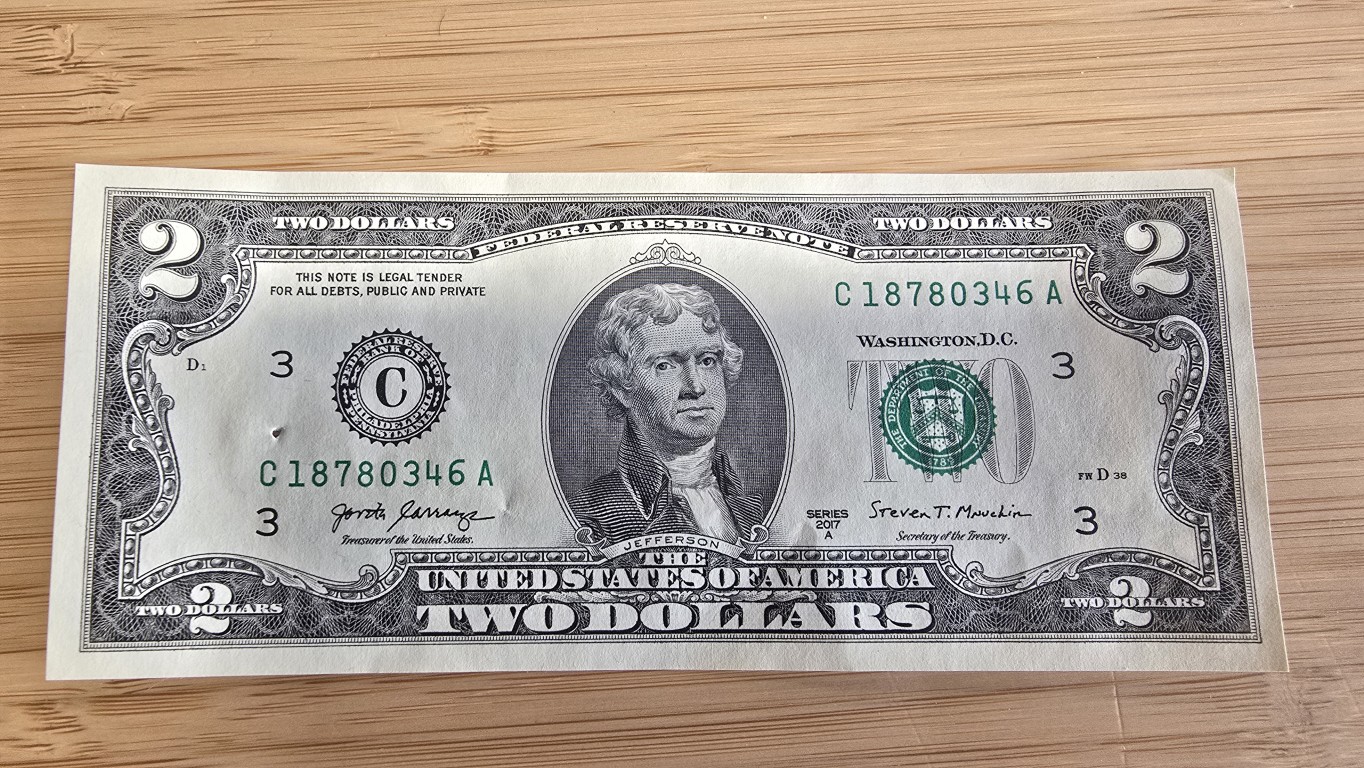
Hardware retired from client environments is sorted by category, weighed and delivered to a scrap recycler rather than thrown away. E-waste recycling is included in our Managed IT Pro plan. (Payouts, for the record, come back in $2 bills.)
We plan to run a recycling pickup around Earth Day in April 2027. Details will be posted here.
Sources
About The Author